

Top 7 Running Clothing for Winter Running in 2026
Running through Ireland's winter’s chilly winds and unpredictable weather can test even the most dedicated athletes. Staying motivated becomes a real challenge when the temperature drops and the days grow shorter, wetter and that bit more miserable.
That is why choosing the right winter running gear is essential. The perfect outer layer delivers warmth, protection, and performance, helping you stay safe and comfortable no matter the conditions, add a proper hat / snood to the mix and you're sorted.
In this guide, we share our top 7 winter running gear picks for 2026. You will discover what features matter most, get detailed reviews of each option, and learn how to match your choice to your running style and local climate.
Ready to transform your cold-weather runs? Let’s find the best gear to keep you moving all season long.
What to Look for in a Winter Running Jacket
Choosing the right jacket for winter running can make the difference between a comfortable, energising session and a cold, miserable slog. With so many technical fabrics and features available, knowing what to prioritise ensures your gear supports your goals, whatever the weather.
Key Features and Materials
When selecting a jacket for winter running, insulation and breathability are essential. Quality insulation traps warmth without bulk, keeping you agile. Breathable fabrics, like polyester and nylon blends, help manage sweat and maintain comfort on the move.
The choice between synthetic and natural materials impacts both performance and feel. Synthetics such as polyester and nylon offer excellent moisture-wicking and quick-drying properties, making them ideal for most runners. Natural fibres like merino wool provide superior warmth and odour resistance, though they may be less durable.
Water-resistant and waterproof technologies are critical. Look for jackets with DWR (durable water repellent) coatings or advanced membranes to keep rain and snow at bay. Windproofing, achieved through tightly woven fabrics or membrane layers, adds another layer of protection during blustery conditions.
Stretch panels are also important for a jacket for winter running, allowing unrestricted movement during dynamic workouts. Competitor reviews consistently highlight how material choice affects both comfort and long-term performance.
|
Material |
Warmth |
Breathability |
Durability |
Quick-Dry |
Odour Resistance |
|---|---|---|---|---|---|
|
Polyester/Nylon |
Good |
Excellent |
High |
High |
Moderate |
|
Merino Wool |
High |
Good |
Moderate |
Moderate |
Excellent |
Fit, Comfort, and Layering
A well-designed jacket for winter running balances a tailored fit with enough room for layering. This ensures you can add base and mid-layers on colder days without feeling restricted.
Adjustability features such as drawcord hems, elastic cuffs, and articulated sleeves allow you to fine-tune the fit for maximum comfort. Slim fits are ideal for speed-focused runners who prefer minimal bulk, while relaxed fits suit those layering up or with broader builds.
Competitor data shows that compatibility with various layers is a top user concern. Runners frequently note that freedom of movement is paramount, especially during interval sessions or hill sprints. Prioritise jackets that move with you, not against you.
Weather Protection: Waterproofing and Windproofing
Understanding the difference between water-resistant and waterproof jackets is crucial for winter runners. Water-resistant jackets shield against light rain, while waterproof options withstand heavy downpours and snow, often verified through competitor testing.
Windproofing is achieved using tightly woven fabrics or dedicated membranes. This feature is essential for maintaining warmth and comfort in strong winter winds. Temperature ratings, often provided by brands, help you match your jacket for winter running to your local climate.
For example, jackets rated for sub-zero temperatures perform best in harsh climates, while lighter options suit milder winters. Studies show that effective weather protection reduces the risk of cold-related injuries and discomfort, supporting consistent training through winter.
Ventilation and Breathability
Breathability is vital for preventing overheating and managing moisture inside your jacket for winter running. Features such as rear zippers, mesh panels, and underarm vents promote airflow and help you stay dry, even during intense effort.
Choosing between more or less insulated models depends on your running style and local weather. Less insulated jackets provide versatility for layering, while insulated versions suit those facing prolonged cold.
Real-world feedback confirms that good ventilation makes a substantial difference on long winter runs. For a deeper dive into how modern jackets achieve this, see Breathable Performance in Sports Jackets, which explores advanced materials and designs for optimal airflow.
Visibility and Safety Features
Visibility is non-negotiable in a jacket for winter running, especially during early mornings or late evenings. Reflective details and high-visibility colours enhance your presence in low-light conditions, improving safety.
Top-rated jackets often incorporate reflective strips along the sleeves, back, and chest. Comparing visibility features across brands can help you choose the safest option for your winter runs.
Our Top 7 Winter Running Jacket Picks for 2026
Choosing the right jacket for winter running can make a world of difference to your comfort, safety, and performance. To help you compare options quickly, here’s a side-by-side summary of our top picks for 2026.
|
Item |
Price |
Insulation |
Waterproof |
Windproof |
Packable |
Notable Features |
|---|---|---|---|---|---|---|
|
Negative Split Skull Cap |
$34 (Cap) |
Fleece-lined |
No |
Yes |
Yes |
Reflective, athlete-tested |
|
Asics Road Winter Jacket |
£159 |
Yes |
Water-resistant |
Yes |
No |
Sustainable, thumbholes |
|
Inov8 Performance Hybrid |
£150 |
Primaloft |
Water-resistant |
Yes |
No |
Stretch, lightweight |
|
Lululemon Another Mile |
£198 |
Yes |
Water-repellent |
Yes |
No |
Stylish, flattering fit |
|
Nike Shield Running Jacket |
£100–£130 |
No |
Water-resistant |
Yes |
Yes |
Packable, reflective |
|
Salomon Bonatti Pro |
£170–£200 |
No |
Waterproof |
Yes |
Yes |
Race-ready, taped seams |
|
Brooks Canopy Jacket |
£105–£120 |
No |
Water-resistant |
Yes |
Yes |
Eco-friendly, packable |
Let’s dive deeper into each jacket for winter running, focusing on what makes them stand out for your cold-weather runs.
Negative Split Skull Cap
The Negative Split Skull Cap is a standout accessory for winter runners, and the brand’s first product for winter running, it's been highly anticipated. The cap is lightweight, windproof, and fleece-lined, delivering impressive warmth without bulk. Its reflective logo boosts visibility during early or late runs, improving safety in low-light conditions.

This product is designed for athletes who value head warmth and comfort while pairing it with a reliable jacket for winter running. Breathable and quick-drying, the cap suits dynamic workouts and is machine washable for easy care. Negative Split offers free delivery during the launch period, making it accessible for most runners in Ireland.
Currently, only the cap is available, but other running gear including jackets, t-shirts, singlets, socks, shorts etc are in development. The real value lies in the brand’s community-driven, athlete-tested approach. If you’re seeking a complete winter running solution, explore the Negative Split winter running gear collection for upcoming releases. This Irish brand’s focus on innovation and quality ensures their jacket for winter running will be one to watch.
Asics Road Winter Jacket
The Asics Road Winter Jacket is engineered for runners who face cold, unpredictable weather. With wind-resistant fabric and targeted insulation, it keeps you warm without sacrificing breathability. Rear ventilation zippers help regulate temperature, making this jacket for winter running adaptable to changing conditions.
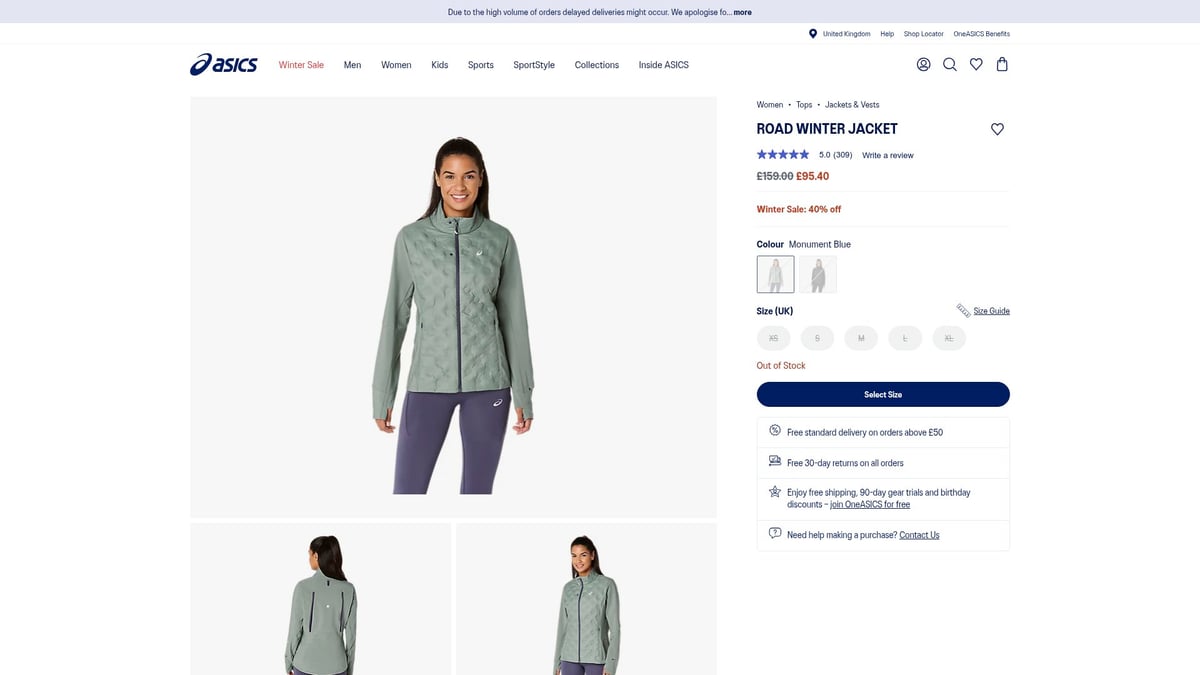
A true-to-size fit allows for comfortable layering, while sustainable materials (50% recycled polyester) reflect eco-conscious design. Features like an adjustable drawcord hem, running watch hole, multiple secure pockets, and thumbholes enhance usability.
While it’s limited in colour options, the Asics Road Winter Jacket stands out for its practical features and commitment to sustainability. It’s a reliable jacket for winter running if you prioritise warmth, mobility, and eco-friendly choices.
Inov8 Performance Hybrid Jacket
The Inov8 Performance Hybrid Jacket is ideal for runners who want insulation without overheating. Its Primaloft Evolve Active insulation delivers lightweight warmth, and the stretchy, water-resistant fabric moves with your body during every stride. This jacket for winter running excels in cold, dry climates where freedom of movement is essential.
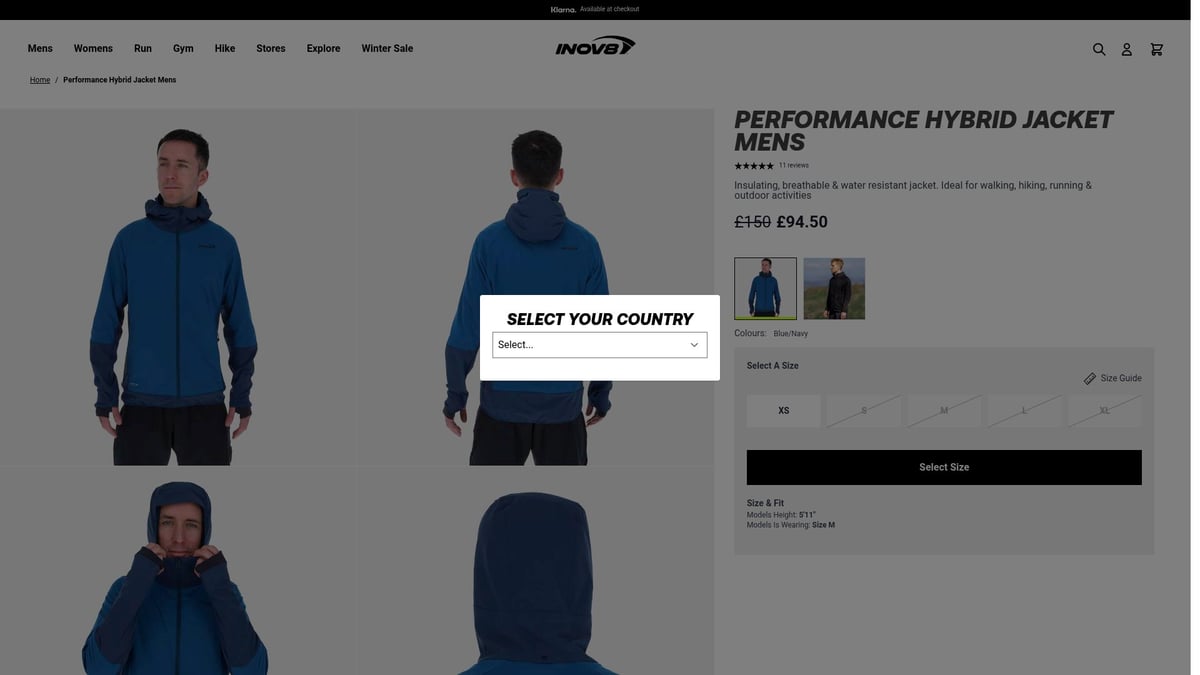
The soft, non-restrictive feel makes it excellent for layering, adapting to a variety of winter conditions. While it’s not fully waterproof, pairing it with a shell in wet weather ensures year-round versatility.
What sets this jacket for winter running apart is the blend of insulation and flexibility. It’s a top pick for those seeking comfort and performance when temperatures drop, but it may not be the best choice if you need full waterproofing for heavy rain.
Lululemon Another Mile Jacket
For runners who refuse to compromise on style or function, the Lululemon Another Mile Jacket is a premium choice. It features sleek tailoring, water-repellent and windproof materials, and generous insulation for sub-zero conditions. Thumb holes and stretchy side panels support a wide range of movement, making this jacket for winter running both flattering and practical.
The slim fit offers a tailored look but does limit heavier layering, and the high price may not suit all budgets. Currently, it’s only available in a women’s version. However, for those who want a jacket for winter running that looks as good as it performs, this is a worthy investment.
Its fashion-forward design and technical features combine to create a jacket for winter running that stands out on the pavement and the trail alike.
Nike Shield Running Jacket
The Nike Shield Running Jacket is designed for runners who battle frequent rain and wind. Its water-resistant and windproof construction provides reliable protection, while the lightweight fabric ensures you won’t feel weighed down. This jacket for winter running is versatile, with a packable design and an adjustable hood for changing weather.
Reflective details improve visibility, which is essential for urban running in winter. While it’s not insulated for extreme cold, it pairs well with thermal layers for extra warmth. The modern, athletic fit makes this jacket for winter running suitable for a range of body types.
Nike’s reputation for quality and innovation is evident, making this a dependable choice for those who need a jacket for winter running in unpredictable climates.
Salomon Bonatti Pro Waterproof Jacket
Trail and urban runners alike will appreciate the Salomon Bonatti Pro Waterproof Jacket. Its advanced waterproof membrane and taped seams keep you dry in the harshest conditions. Despite its superior protection, the jacket remains lightweight and highly breathable, making it perfect for high-intensity winter runs.

The race-ready fit and adjustable hood provide a secure, comfortable feel, while the packable design means you can stow it easily when not needed. Although it’s less insulated for extreme cold, this jacket for winter running excels in wet, windy weather.
If you won’t let bad weather slow you down, the Salomon Bonatti Pro is a top-tier jacket for winter running that’s ready for any challenge.
Brooks Canopy Jacket
The Brooks Canopy Jacket is a go-to for runners who value versatility and packability. Its windproof and water-resistant DriLayer Seal fabric shields against the elements, while the entire jacket packs neatly into its own pocket. This makes it an excellent jacket for winter running when conditions are changeable.
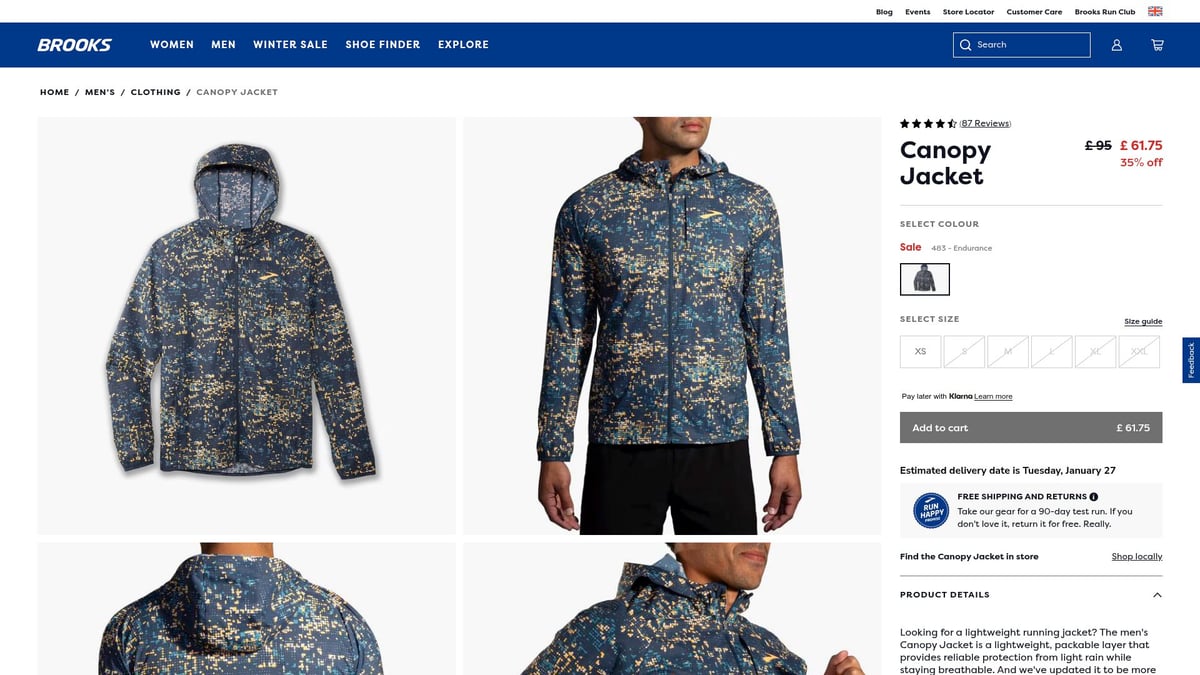
Breathability is a highlight, and the adjustable hood adds extra protection. Eco-friendly materials appeal to those seeking a sustainable option. While it’s not fully waterproof or insulated, it’s ideal for milder winter days or as an outer shell over thermal layers.
If you need a lightweight, reliable jacket for winter running that adapts to your environment, the Brooks Canopy Jacket delivers on all fronts.
How to Dress for Winter Running: Layering Strategies
Staying comfortable and safe during winter runs depends on how you dress. Layering is essential for managing warmth, moisture, and protection. Choosing the right jacket for winter running, along with a well-thought-out system of layers, ensures you can tackle any cold-weather challenge with confidence.
The Layering System Explained
The foundation of dressing well in winter is understanding the three-layer approach. Start with a base layer that wicks sweat away from your skin. Materials like merino wool or technical synthetics work best, keeping you dry and comfortable.
Add a mid-layer for insulation, such as a lightweight fleece or a thin down vest. This traps body heat without adding bulk. Finally, finish with a jacket for winter running that shields you from wind and precipitation. Your outer layer should be breathable and weather-resistant, ensuring you stay protected from the elements.
Proper layering helps you regulate temperature, manage sweat, and adapt quickly to changing conditions. By combining these layers, runners can create a custom system for any winter day.
Matching Layers to Weather Conditions
Adapting your outfit to the weather is vital. In sub-zero temperatures, a thicker mid-layer and a robust jacket for winter running offer maximum insulation. For wet or windy days, prioritise a waterproof or windproof outer shell with sealed seams.
Monitor local temperature ranges and adjust your layers accordingly. For instance, on milder days, you might swap a heavy mid-layer for a lighter one, or even run with just a base layer and a jacket for winter running. Professional runners often recommend starting slightly cool to avoid overheating as you warm up.
Layering smartly helps prevent excessive sweating, which can lead to chills once you stop moving. Always consider both the forecast and your own comfort preferences before heading out.
Accessories to Complement Your Jacket
Accessories are crucial for full-body protection. A good hat, thermal gloves, and a neck gaiter can make a significant difference on frosty runs. The Negative Split Skull Cap, for example, is designed for warmth and visibility, making it an ideal pairing with any jacket for winter running.
When selecting accessories, look for moisture-wicking materials and reflective details for safety. For a curated selection of essentials, the Winter running accessories collection offers items specifically made to complement your outerwear.
Small details like touchscreen-compatible gloves or adjustable neck warmers can further enhance comfort and convenience during winter workouts.
Common Layering Mistakes to Avoid
Avoiding common mistakes will help you get the most from your jacket for winter running. Overdressing is a frequent error, often leaving runners sweaty and uncomfortable. Instead, dress as if it is slightly warmer than it is outside.
Do not ignore breathability—choose technical fabrics over cotton, which traps moisture. Test your layering system on shorter runs to ensure it works for your pace and environment. Here is a quick table to summarise:
|
Mistake |
Solution |
|---|---|
|
Overdressing |
Dress for 5–10°C warmer |
|
Using cotton |
Choose technical fabrics |
|
Ignoring breathability |
Select ventilated outer layers |
|
Not testing setup |
Trial runs before long distances |
By learning from these tips, you can maximise the performance and comfort of your jacket for winter running and enjoy every mile, no matter the weather.
Choosing the Right Jacket for Your Needs
Selecting the right jacket for winter running involves more than just style or brand loyalty. It is about matching your gear to your unique circumstances, preferences, and values. By considering where, how, and why you run, you can make a confident and informed choice.
Assessing Your Running Environment
Your running environment plays a major role in determining the ideal jacket for winter running. Urban runners often face wind tunnels and unpredictable precipitation, while trail runners may encounter snow, mud, and rapidly changing conditions.
Consider the typical weather in your area. If you run in regions with persistent rain or sleet, prioritise waterproof membranes and taped seams. For dry but cold climates, insulation and windproofing matter more. According to the Winter Outerwear Trends Report, consumer demand is shifting towards versatile outerwear that adapts to local weather patterns.
Also, think about safety. Low visibility and icy paths are common in winter. Look for jackets with reflective elements and high-visibility colours for added protection. Matching the jacket for winter running to your environment helps you stay comfortable and safe, whatever the forecast.
Identifying Your Running Style and Preferences
Every runner’s style impacts jacket for winter running selection. If you focus on speedwork or intervals, breathability and a slim fit may be your top priorities. Long-distance or ultra runners often need more room for layering and storage features like extra pockets.
Consider your body type and fit preference. A tailored fit can boost performance for competitive runners, while a relaxed cut may suit those who value comfort during easy runs. Review feedback from runners with similar profiles, as highlighted in competitor articles, to guide your decision.
Reflect on when and where you run. Early morning or late evening routes may require enhanced visibility. If you switch between different terrains or training intensities, look for jackets that offer versatility. Matching the jacket for winter running to your style ensures every run is enjoyable and effective.
Budget and Value Considerations
Balancing features and cost is essential when selecting a jacket for winter running. Premium models often provide advanced waterproofing, insulation, and technical details, but come at a higher price. Budget-friendly options may lack certain features but can still offer reliable protection for milder climates.
Consider the long-term durability and cost-per-wear. Investing in a higher-quality jacket for winter running can save money over time if it resists wear and tear. Use the table below to compare typical price ranges and features:
|
Price Range |
Features |
Ideal For |
|---|---|---|
|
£60–£100 |
Basic windproof, water-resistant |
Milder climates |
|
£100–£160 |
Added insulation, some waterproofing |
Moderate winters |
|
£160+ |
Advanced membranes, technical extras |
Extreme conditions |
Assess which features are essential for your conditions. Sometimes, spending a bit more on a jacket for winter running pays off in comfort and performance.
Sustainability and Ethical Factors
Sustainability is an increasingly important factor when choosing a jacket for winter running. Many brands now use recycled materials, eco-friendly dyes, and ethical manufacturing practices. According to the Winter Sports Apparel Market Growth Analysis, the market is moving towards greener solutions, with consumers favouring brands that demonstrate environmental responsibility.
Look for certifications such as Bluesign or Fair Trade, and check labels for recycled polyester or nylon content. Some jackets from our top picks highlight these commitments, offering both performance and peace of mind.
Sustainable choices not only benefit the planet but can also provide superior comfort and durability. Selecting a jacket for winter running that aligns with your values means you are investing in your wellbeing and the environment.
Expert Tips for Maximising Winter Running Comfort
Getting the most from your jacket for winter running requires more than just wearing the right outer layer. The right preparation, mindful adjustments during your run, and proper post-run care all contribute to a comfortable, safe, and high-performing winter running experience. These expert tips will help you maximise comfort, regardless of the conditions.
Pre-Run Preparation and Warm-Up
A thorough warm-up is essential to unlock the full potential of your jacket for winter running. Cold muscles are prone to injury, so dynamic stretches help boost circulation and prepare your body for the elements.
Try a routine that includes leg swings, arm circles, and gentle jogging drills. Adjust your warm-up time based on the temperature—colder days call for a few extra minutes. Layer up early, then remove a layer just before starting to avoid overheating.
For the most up-to-date guidance on winter running routines and gear, check out Latest winter gear updates for expert-backed strategies. Proper preparation ensures your jacket for winter running works in harmony with your body, keeping you comfortable and focused.
Managing Sweat and Temperature on the Run
Effective temperature management is crucial when using a jacket for winter running. Start your run feeling slightly cool, as your body will warm up quickly. Use ventilated features like zippers, rear mesh panels, or underarm vents to release excess heat and moisture.
Pace yourself to avoid excessive sweating, which can leave you chilled later. Hydration is still important, even in cold weather, so carry water or an electrolyte drink. Experienced runners recommend adjusting layers mid-run if you begin to overheat—simply unzip your jacket for winter running, or remove a mid-layer if possible.
By staying proactive with your gear and pace, you’ll enjoy a more comfortable and effective winter workout.
Post-Run Recovery and Jacket Care
After your session, take time to care for your jacket for winter running. Hang it up to air dry immediately, especially if it’s damp from sweat or snow. Avoid high heat from radiators, which can damage technical fabrics.
Regularly check the care label for washing instructions. Use a technical wash to maintain breathability and water-repellent coatings. Reapply DWR treatments as needed to keep your jacket for winter running performing like new.
Proper storage and gentle care not only extend the lifespan of your outerwear but also ensure it’s always ready for your next cold-weather run. For more advice on maintaining winter gear, the Latest winter gear updates section provides practical tips and product news.
Safety and Visibility Best Practices
Visibility is a non-negotiable feature of any jacket for winter running, especially during the dark mornings and evenings. Choose jackets with reflective elements and pair them with high-visibility accessories for maximum safety.
Consider a reflective hat or cap, such as the Negative Split Skull Cap details, for added head visibility. Use LED arm bands or a headlamp in low-light conditions.
Statistics show that runners with reflective gear face fewer accidents in winter. Always make sure your jacket for winter running stands out, and combine it with accessories for a safer, more confident run.
Now that you have a clearer idea of which features matter most for winter running jackets and have explored the very best options for 2026, you are ready to take your cold weather runs to the next level. The right gear genuinely makes a difference in comfort, safety, and performance, whether you are braving frosty mornings or unpredictable winter showers. If you are looking to invest in athlete tested, innovative running essentials built for real runners, I encourage you to shop our products and discover how quality gear can transform your winter training experience.
Article written using RankPill.

Written by Cian Charlton