

Guide to Choosing the Best Running Trekking Pole in 2026
Trail running in Ireland is evolving quickly, with more runners embracing the innovation of the running trekking pole. Whether scaling the Wicklow Mountains or navigating boggy forest paths, Irish and European athletes are discovering how the right equipment transforms their experience.
This guide will help you choose the best running trekking pole for 2026, ensuring you find a pole that matches your running style and local terrain.
We will explore the benefits of using poles, the most important features to consider, step-by-step selection advice, sizing, materials, top brands, and expert maintenance tips.
Let us help you make an informed choice, so you can run further, faster, and with more confidence on every Irish trail.
Why Use a Running Trekking Pole?
Trail runners across Ireland and Europe are increasingly embracing the running trekking pole as essential gear. The advantages go far beyond simply having extra support. Whether racing through the Wicklow Mountains, crossing bogs in the Mournes, or navigating forest tracks, the right pole transforms your running experience.
Enhanced Performance and Efficiency
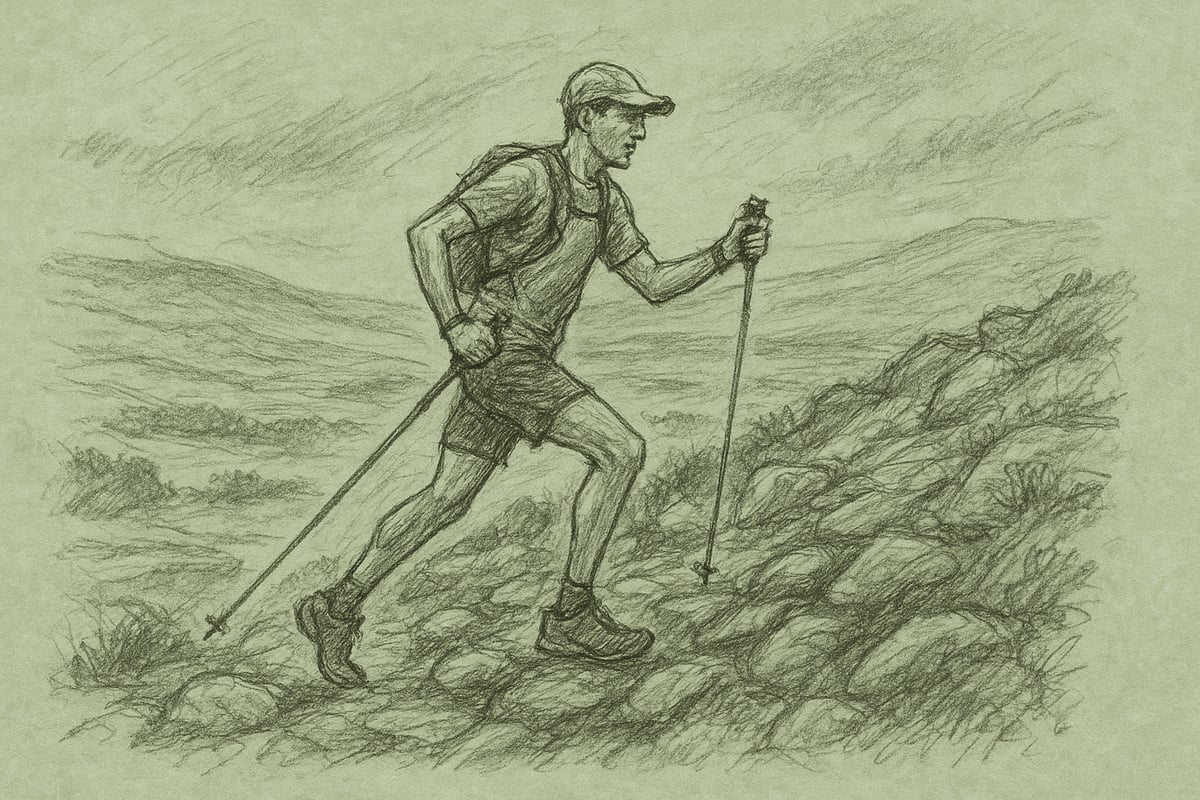
Using a running trekking pole significantly boosts your performance, especially on steep or technical terrain. Poles provide extra propulsion, helping you climb faster and descend with more control. They distribute effort between your upper and lower body, reducing muscle fatigue over long distances.
Research has shown that poles can decrease leg strain and improve uphill speed without increasing overall tiredness. For example, a recent study found over 5% reduction in ground force and better uphill performance. Irish mountain runners often rely on poles for ultra events, finding that they maintain a smoother rhythm and cover ground more efficiently in the varied local landscape.
Injury Prevention and Stability
The running trekking pole is a key tool for injury prevention, especially on Ireland’s unpredictable trails. Muddy, rocky, and wet ground are common, increasing the risk of slips and falls. Poles provide vital balance, giving you extra points of contact and confidence on tricky sections.
They also help protect your joints by absorbing some of the impact from descents. This is particularly valuable for knees and ankles, which often take a beating on rough ground. Whether crossing a river or navigating boggy patches, poles make technical sections safer and less stressful.
Versatility Across Activities
A running trekking pole is not just for trail running. Its versatility shines in a range of outdoor pursuits. Fast hiking, mountain marathons, and adventure races all benefit from added support and efficiency.
In Ireland, poles are now a regular sight at events like the Kerry Way Ultra or races hosted by the Irish Mountain Running Association. They adapt seamlessly from single-day runs to multi-day challenges, handling everything from rocky ridges to soft, uneven bogs.
Energy Conservation for Long Distances
Long-distance runners know that conserving energy is crucial. A running trekking pole helps by sharing the workload between arms and legs, allowing you to maintain your pace for longer stretches.
This energy-saving effect is especially noticeable in ultra-distance events, where fatigue can set in after hours on the move. With the right pole, Irish trail runners can sustain speed and endurance without overtaxing any single muscle group.
Psychological Benefits
Beyond physical advantages, a running trekking pole offers psychological reassurance. It provides a sense of security on exposed ridges or unfamiliar routes. Many runners find that poles help with pacing, allowing them to focus on steady progress rather than worrying about footing.
This confidence boost often leads to better performance and a more enjoyable experience, whether you are racing or exploring new trails across Ireland.
Key Features to Consider When Choosing a Running Trekking Pole
Choosing the right running trekking pole is essential for comfort, efficiency, and safety on Irish trails. Understanding the features that matter most will ensure your investment pays off, whether you are racing in the Wicklow Mountains or tackling boggy paths in the west.
Weight and Packability
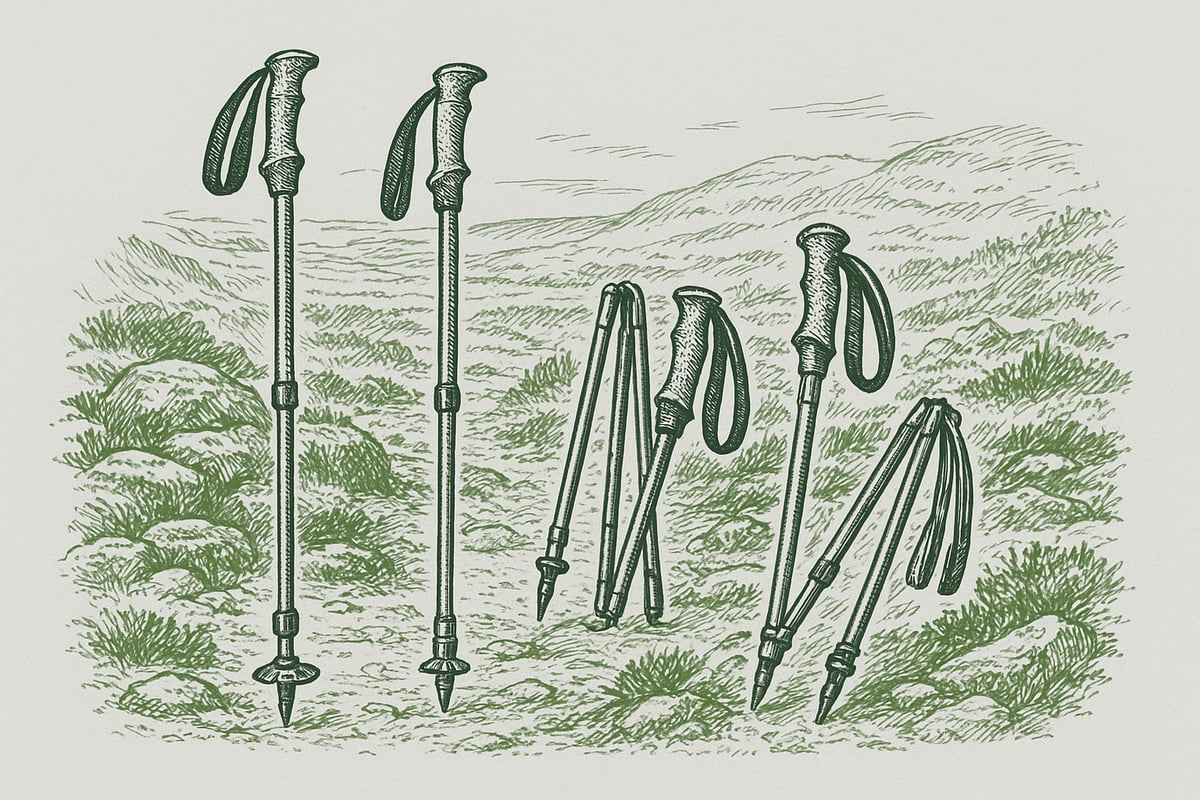
The weight of your running trekking pole can dramatically affect your performance. Ultralight models, some as light as 130g per pole, are ideal for races and long distances. Lightweight poles reduce arm fatigue, letting you maintain pace over tough Irish hills.
Packability is equally important. Look for poles that fold down to 35cm or less, fitting easily into running vests. Compact designs mean you can quickly stash them during fast descents or technical sections, keeping your hands free when needed.
Material: Carbon vs Aluminium
Materials make a difference in both feel and longevity. Carbon fibre running trekking pole options are lighter and absorb vibration well, offering a responsive feel over rocky ground. However, they are typically more expensive and can be less durable if bent under pressure.
Aluminium poles are a touch heavier but offer excellent resilience, especially if you are new to using a running trekking pole or expect rough treatment. In Ireland, carbon models usually cost €100–€200, while aluminium options range from €60–€120.
| Material | Weight | Durability | Price Range (€) | Vibration Absorption | Typical Use |
|---|---|---|---|---|---|
| Carbon | Very light | Lower | 100–200 | Excellent | Racing |
| Aluminium | Slightly up | High | 60–120 | Good | Training, value |
Grip and Strap Design
Grip comfort is crucial for long runs in Irish weather. Quality running trekking pole grips use EVA foam, cork, or rubber, each offering a different feel. Foam absorbs moisture and is soft, cork resists sweat, and rubber gives a secure hold in rain.
Strap systems should be adjustable and breathable. Some brands use quick-release technologies like the Leki Trail Shark, making it easy to detach poles when moving fast. A good strap transfers power efficiently and reduces hand fatigue.
Length and Sizing Options
Length must match your height and running style. Fixed-length running trekking poles are lighter and preferred by racers, but adjustable poles add versatility for mixed terrain. Most poles come in 110–135cm sizes, with some brands offering half-size increments for a tailored fit.
The general rule is to hold the pole so your elbow forms a 90° angle when the tip touches the ground. Irish shops often provide in-store fitting or demo opportunities to find your perfect match.
Locking Mechanisms and Deployment Speed
A reliable locking system is vital for safety and convenience. Popular mechanisms include push-button, flick-lock, and twist-lock designs. For Irish runners, rapid deployment can mean the difference between a smooth transition and lost time during a race.
Choose a running trekking pole with a locking system that works well in wet, muddy, or cold conditions. Test folding and unfolding to ensure you can operate it with gloves or cold hands.
Tip and Basket Options
The right tip and basket setup will prepare you for any Irish trail. Tungsten carbide tips grip well on rock, while interchangeable rubber tips are useful for tarmac sections. Small baskets are best for running, but larger baskets help in boggy or snowy conditions.
Having spare baskets and tips is wise, especially if you tackle varied routes. Many poles allow quick changes, letting you adapt to the day’s specific terrain.
Durability and Maintenance
Durability comes from reinforced joints and quality materials. Look for running trekking pole models with sturdy locking parts and easy-to-clean surfaces. Regular maintenance extends lifespan and ensures reliable performance on Irish trails.
Cleaning after muddy runs, checking for wear, and replacing parts like baskets or tips are essential habits. For practical maintenance advice, the Trail running gear advice blog offers useful tips tailored to trail runners’ needs.
Price and Value
Balancing features and budget is key when investing in a running trekking pole. While carbon models offer performance benefits, aluminium options provide excellent value for money. Always check for warranty and after-sales support from Irish retailers, as this can make a big difference in long-term satisfaction.
Consider seasonal sales or club discounts to get the best deal. Investing wisely ensures you have reliable gear for years of Irish adventures.
Step-by-Step Guide: How to Choose the Best Running Trekking Pole for You
Selecting the right running trekking pole is a personal journey that can transform your trail experience in Ireland. Use this simple, step-by-step guide to find a pole that matches your running style, local terrain, and budget. Each step helps you narrow your options, ensuring your final choice is efficient, comfortable, and suited to Irish conditions.
Step 1: Assess Your Running Style and Terrain
Start by reflecting on how and where you plan to use your running trekking pole. Are you an ultra-distance runner tackling the Wicklow Way, or do you prefer short, technical sprints in the Mournes? Consider if you will race, train, or hike, and how often you will use your pole.
Think about the typical Irish terrain: will you face boggy stretches, rocky outcrops, or steep forest trails? Your running trekking pole should match both your activity and the surfaces you encounter most. Lightweight options suit racing, while robust poles are better for mixed or rugged ground.
Step 2: Determine the Right Length and Adjustability
Choosing the correct length is crucial for comfort and efficiency. Use height-based sizing charts, or visit an Irish running shop for an in-person fitting. Stand upright and hold the running trekking pole so your elbow forms a 90-degree angle when the tip touches the ground.
If you run on mixed terrain or want to share your pole with others, consider an adjustable model. For racing, a fixed-length running trekking pole offers lighter weight and simplicity.
Step 3: Select Preferred Material and Weight
Next, decide which material best suits your needs. Carbon fibre running trekking poles are prized for lightness and stiffness, making them ideal for racing and speed. However, they are more expensive and less forgiving if bent.
Aluminium is a popular choice for Irish runners seeking durability and value, especially on rough ground. Weigh your priorities: do you need to save every gram for competition, or is resilience in unpredictable Irish weather more important?
Step 4: Evaluate Grip, Strap, and Comfort Features
Comfort can make or break your experience with a running trekking pole. Test different grip materials, such as EVA foam, cork, or rubber, to find what feels best during long efforts. Ergonomic grips help prevent blisters, while sweat-resistant options are perfect for Irish rain.
Adjustable, breathable straps are important for both security and quick transitions. Try on straps with and without gloves to ensure a good fit in all seasons. Some systems, like quick-release triggers, add convenience for racing.
Step 5: Check Locking System and Deployment
The locking mechanism is vital for ease of use and reliability on the trail. Practice folding and unfolding your running trekking pole before committing. Push-button, flick-lock, or twist-lock designs each have their advantages, especially in Ireland’s wet and muddy conditions.
A dependable locking system means your pole will not collapse unexpectedly. Fast deployment is essential for races where seconds matter.
Step 6: Consider Tips, Baskets, and Accessories
Examine the tips and baskets included with your running trekking pole. Tungsten carbide tips offer grip on rocky Irish paths, while rubber tips are ideal for road sections. Baskets come in various sizes: small for running, larger for boggy or snowy ground.
Check if spare parts and accessories are available locally. Having the right accessories can extend the lifespan of your running trekking pole and adapt it to any Irish trail.
Step 7: Balance Budget with Features
Set a realistic budget and compare features across brands. Prices in Ireland vary: carbon models tend to cost €100–€200, while aluminium options range from €60–€120. Consider the warranty and after-sales support offered by Irish retailers.
Look out for seasonal sales, club discounts, or demo days in your area. Balancing investment with the features you truly need ensures value without overspending.
Step 8: Test and Get Feedback
Before purchasing, try out different models if possible. Borrow a running trekking pole from a friend, or attend demo events at your local Irish running shop. Real-world feedback is invaluable—ask other Irish runners about their experiences with specific poles and brands.
Explore a range of recommended poles and related equipment in the All trail running products collection to find what best suits your needs. This hands-on approach helps you make a confident, informed decision tailored to Irish trails.
Top Running Trekking Pole Brands and Models for 2026
Choosing the right running trekking pole can make a significant difference for Irish trail runners. With innovation driving lighter, stronger, and more ergonomic designs, 2026 brings a host of excellent options from trusted brands. Below, we explore the standout choices and offer practical guidance for sourcing and fitting your next running trekking pole.
Leki (e.g., Neotrail Pro FX.One Superlite, Ultratrail FX.One)
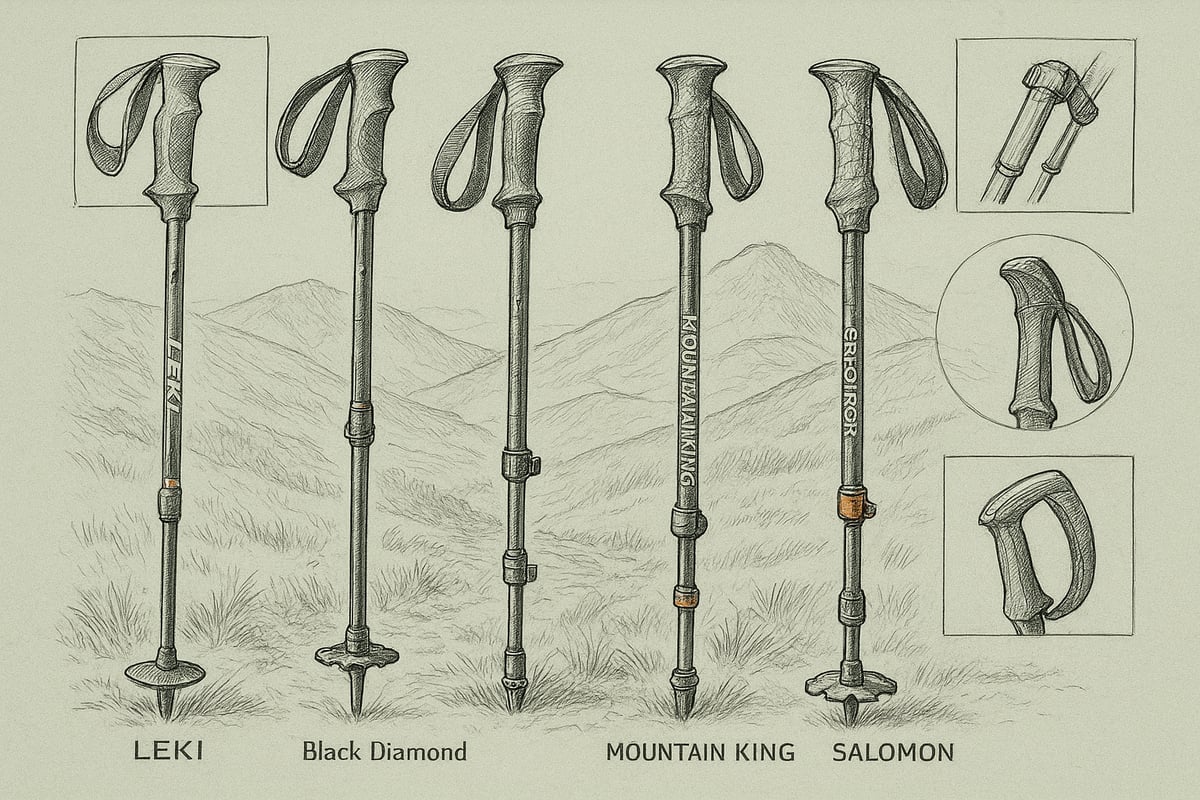
Leki stands at the forefront of running trekking pole innovation in Ireland and across Europe. Their Neotrail Pro FX.One Superlite and Ultratrail FX.One models are highly sought after among Irish mountain runners for their ultralight carbon construction and reliable deployment systems. Weighing as little as 115g per pole and folding down to 35cm, these models are ideal for racing and technical courses.
Leki’s ergonomic grips and advanced wrist strap systems, such as the Trail Shark, provide comfort and quick transitions, which are crucial in events like the Wicklow Way Relay. For those looking for a premium running trekking pole with proven performance, Leki remains a top choice.
Black Diamond (e.g., Distance Carbon Z)
Black Diamond has built a strong reputation for delivering durable and lightweight running trekking pole solutions. The Distance Carbon Z model is a favourite among Irish trail athletes who value simplicity and packability. Its carbon fibre build offers both stiffness and feather-light weight, while the three-section folding design ensures it fits easily into a running vest.
Foam grips provide comfort over long distances, and the fixed-length design suits runners who prioritise speed and efficiency. With a price range of €120 to €170, Black Diamond’s running trekking pole models are widely available in Irish specialist shops and are regularly seen at events throughout the country.
Mountain King (e.g., Trail Blaze)
Mountain King is a British and Irish favourite, especially for runners seeking a reliable running trekking pole at a more accessible price point. The Trail Blaze model is constructed from lightweight aluminium, making it resilient to impacts from rocky Irish trails. It features a straightforward design with a basic foam grip and a fixed length, which appeals to both beginners and seasoned racers.
Priced between €60 and €90, Mountain King running trekking pole options are often recommended for training, club events, and ultra-distance races. Their availability in Ireland and straightforward maintenance make them a practical choice for many local athletes.
Other Notable Brands (Komperdell, Salomon, Dynafit)
Several other brands are making their mark on the running trekking pole market in 2026. Komperdell is recognised for comfort and robust construction, offering both carbon and aluminium options suited to Irish conditions. Salomon integrates advanced grip and strap technology into their poles, making them popular among ultra and mountain runners.
Dynafit, a specialist in mountain running gear, provides ultralight carbon models designed for fast ascents and technical descents. Each of these brands offers unique features, allowing Irish runners to find a running trekking pole tailored to their preferences and local terrain.
Model Comparison Table
| Brand & Model | Weight (per pole) | Material | Price (€) | Deployment | Available in Ireland |
|---|---|---|---|---|---|
| Leki Neotrail Pro FX.One | 115g | Carbon | 150–185 | Foldable, push | Yes |
| Black Diamond Distance Carbon Z | 135g | Carbon | 120–170 | Foldable, pull | Yes |
| Mountain King Trail Blaze | 125g | Aluminium | 60–90 | Foldable, cord | Yes |
| Komperdell Carbon FXP | 130g | Carbon | 120–160 | Foldable, push | Yes |
| Salomon Ultra Carbon | 130g | Carbon | 140–180 | Foldable, push | Yes |
| Dynafit Vertical Pro | 120g | Carbon | 160–200 | Foldable, pull | Yes |
Irish runners can find these models at reputable shops such as Great Outdoors, Basecamp, and online retailers. Many stores offer demo days or fitting services to help you select the best running trekking pole for your needs. For those seeking accessories or spare parts, the Running accessories collection is a useful resource for compatible add-ons and upgrades.
When fitting a running trekking pole, ensure the pole allows your elbow to form a 90-degree angle when the tip is on the ground. Test compatibility with your running vest and gloves, and consider in-store or event-based demos for the optimal choice.
Sizing and Adjusting Your Running Trekking Pole
Selecting the right size for your running trekking pole is essential for comfort, efficiency, and injury prevention, especially on Ireland’s rugged trails. Proper adjustment ensures the pole works with your natural movement, whether you are tackling the Wicklow Mountains or a local forest path.
Importance of Correct Sizing
Using a running trekking pole that matches your height and stride is vital. The correct size enhances propulsion, reduces fatigue, and supports joint health, especially during long runs or steep descents. If your pole is too short or too long, you risk inefficient movement and discomfort, which can increase the chance of injury over time.
Research has shown that correct use of trekking poles, with proper sizing and adjustment, can help maintain muscle function and reduce soreness after mountain activities. For more details, see how trekking poles reduce muscle injury during mountain walking.
Your elbow should form a 90° angle when the pole tip touches the ground beside your foot. This position distributes force evenly, helping you move efficiently on technical Irish terrain.
Step-by-Step Sizing Process
Getting the right fit for your running trekking pole involves a few simple steps:
- Measure your height in centimetres.
- Consult the manufacturer’s sizing chart, matching your height to the recommended pole length.
- If you run with a pack or in thick-soled shoes, add 2–3cm to compensate.
- Test the pole in-store or at a local demo event to ensure the elbow angle feels natural.
- Adjust the pole so your forearm is parallel to the ground when gripping it.
Quick Reference Table:
| Runner Height (cm) | Pole Length (cm) |
|---|---|
| 155 – 165 | 110 |
| 165 – 175 | 115 |
| 175 – 185 | 120 |
| 185 – 195 | 125 |
This process is especially important for Irish runners who often encounter mixed terrain and varying gradients.
Adjusting for Terrain
Terrain changes call for quick adjustments to your running trekking pole. For steep ascents, shorten the pole slightly to maintain balance and drive. On descents, lengthen the pole to offer extra support and reduce joint impact.
If you share your poles within a club or family, adjustable models make it easy to switch lengths for different users. This flexibility is valuable during multi-day events or when running with others on Ireland’s diverse trails.
Fitting with Running Packs and Gloves
Before heading out, ensure your running trekking pole is compatible with your running vest or pack. Many Irish runners prefer poles that fold compactly for easy stowing during races or fast hikes. Test the grip comfort while wearing gloves, as wet or cold Irish weather often requires extra hand protection.
Check for any interference between the pole and your pack straps, and practice removing and stowing the pole quickly. A good fit prevents chafing and allows you to transition smoothly between running and walking sections.
Final Thoughts on Sizing and Adjustment
Taking the time to size and adjust your running trekking pole pays off with improved comfort, performance, and safety. Whether you are racing in the Mournes or exploring local bogs, the right pole setup helps you move confidently and efficiently across Ireland’s challenging landscapes.
Maintenance, Care, and Longevity Tips for Running Trekking Poles
Proper maintenance of your running trekking pole not only preserves performance but also extends its lifespan on Irish trails. With regular use in wet, muddy, and rocky conditions, consistent care is essential for safety and reliability.
Cleaning and Storage
After each outing, rinse your running trekking pole with clean water to remove mud, grit, and salt, especially after coastal runs. Dry the poles thoroughly using a towel or by air drying in a well-ventilated area.
Never store your running trekking pole while wet. Prolonged moisture can lead to corrosion or mould, particularly in Ireland's damp climate. Separate pole sections if collapsible, and keep them extended until fully dry.
A regular cleaning routine helps maintain the integrity of pole joints and locking systems. Clean poles also function better and support muscle recovery, as highlighted in Trekking poles help hikers maintain muscle function while reducing soreness.
Inspecting and Replacing Parts
Before and after long runs, inspect your running trekking pole for any signs of wear. Check the joints, locking mechanisms, and tips for damage or excessive play.
Replace worn baskets and tips promptly, as these parts are readily available from Irish outdoor retailers. Examine straps for fraying, and ensure grips remain secure and undamaged.
Keeping spare tips and baskets in your kit bag can save your race or training session, especially in remote Irish terrain.
Troubleshooting Common Issues
If your running trekking pole develops stiff locks, try cleaning the locking parts and applying a silicone-based lubricant. Squeaky joints are often caused by trapped dirt, which can be resolved with a thorough rinse and light lubrication.
Bent pole sections should be addressed immediately. Aluminium models can sometimes be gently straightened, while carbon fibre should not be forced back into shape.
For persistent issues, consult a professional repair service or your local Irish retailer for expert advice.
Longevity Strategies
Rotate between pairs of running trekking poles if you run or race frequently. This practice promotes even wear and extends the service life of each pole.
Store your running trekking pole in a protective bag when travelling, especially if checking luggage for international events. Avoid exposing poles to extreme heat or prolonged direct sunlight, as this can weaken materials.
A simple maintenance table can help you track care routines:
| Task | Frequency | Notes |
|---|---|---|
| Rinse & dry | After each run | Remove mud, prevent rust |
| Inspect joints | Weekly | Check for looseness |
| Replace tips | As needed | Watch for wear |
| Lubricate locks | Monthly | Use silicone-based spray |
Warranty and After-Sales Support
Most running trekking pole brands offer warranties ranging from one to three years. For peace of mind, always purchase from reputable Irish shops that provide responsive after-sales support.
Keep your proof of purchase and warranty information accessible. If a fault develops, contact the retailer promptly for guidance on repair or replacement.
Irish outdoor specialists often provide additional advice and parts, ensuring your running trekking pole remains a reliable companion across the seasons.
Advanced Tips: Maximising Performance with Running Trekking Poles
Mastering your running trekking pole technique is essential for maximising efficiency on Irish trails. With the right approach, you can transform your performance, conserve energy, and boost confidence in all conditions.
Technique for Uphill and Downhill Running
To get the most from your running trekking pole, focus on efficient planting and body positioning. For uphills, plant the poles slightly ahead, using your upper body to push off and maintain momentum. This reduces leg fatigue and helps keep a steady rhythm on ascents like those in the Wicklow Mountains.
For descents, poles act as stabilisers. Keep them in front for balance, absorbing impact on steep or rocky ground. Research supports the effectiveness of poles for joint protection—see the Effects of hiking downhill using trekking poles while carrying external loads for scientific evidence of reduced lower limb forces. Practise quick, light pole placements to avoid tripping.
Training with Poles
Incorporate your running trekking pole into regular hill training to build technique and upper body strength. Use poles during hill repeats, focusing on synchronised arm and leg movement. Integrating poles into long runs helps develop endurance and familiarity for race day.
Try specific drills such as:
- Short bursts using only poles for propulsion
- Fast transitions between running and pole use
- Uphill sprints with double-poling action
This approach ensures the running trekking pole becomes a natural extension of your stride, especially vital for Irish mountain races.
Using Poles in Irish Weather
Irish trails are often wet, muddy, and unpredictable. Choose a running trekking pole with non-slip grips and quick-drying straps for reliable handling in rain. Wipe mud from the tips regularly to maintain traction.
Adapt your grip when wearing gloves, ensuring the pole remains secure. On boggy or rocky ground, use smaller baskets for less drag. Always check your running trekking pole for debris after river crossings or exposed sections.
Packing and Carrying on the Run
Efficient packing keeps your running trekking pole accessible. Practise folding and stowing poles into your running vest or pack quickly, so you can transition between running and hiking without losing time.
Tips for carrying:
- Use side or rear pole sleeves on vests for easy access
- Secure poles with elastic loops to prevent bouncing
- Practise one-handed deployment for speed
This preparation is crucial for Irish events where terrain changes rapidly.
Common Mistakes and How to Avoid Them
Using a running trekking pole incorrectly can hinder performance. Common mistakes include:
- Over-relying on poles and neglecting leg strength
- Choosing the wrong pole length for your height
- Poor technique, leading to wasted effort or tripping
- Failing to practise transitions or stowing
To avoid these, seek feedback from experienced Irish runners or coaches, and regularly review your technique. Remember, the right approach with your running trekking pole will help you excel in all Irish conditions.
Now that you’ve explored what makes the best running trekking pole and how to select the perfect fit for your needs, you’re ready to make a confident choice for your next adventure. At Negative Split, we share your passion for running performance and understand how the right gear elevates every trail. Whether you’re preparing for your first mountain race or aiming to conquer long distances across Ireland’s wild terrain, investing in quality equipment is key. If you’re curious about innovative products designed and tested by real runners, take the next step and shop our products for gear that’s built to go the distance.

Written by Cian Charlton